

Many people know that children inherit traits from both parents, but some qualities come only from the father. These traits range from physical features to hidden genetic factors and even influence the child’s health and behavior. Understanding which characteristics come solely from fathers sheds light on how genetics shape who we are.
The sex of a child, certain genetic conditions, and traits like male pattern baldness are all passed exclusively through paternal genes. Fathers’ unique genetic contributions include aspects that mothers cannot pass on. These father-only factors play a key role in how children develop and express specific features.
Beyond physical traits, some behaviors and risk factors are linked directly to genes inherited from fathers. This exclusive inheritance offers important insights into the relationship between father and child on a genetic level.
Key Takeways
- Fathers pass on genes that determine the child’s sex.
- Some inherited health conditions come only from father’s genes.
- Unique physical and behavioral traits are linked to paternal genetics.
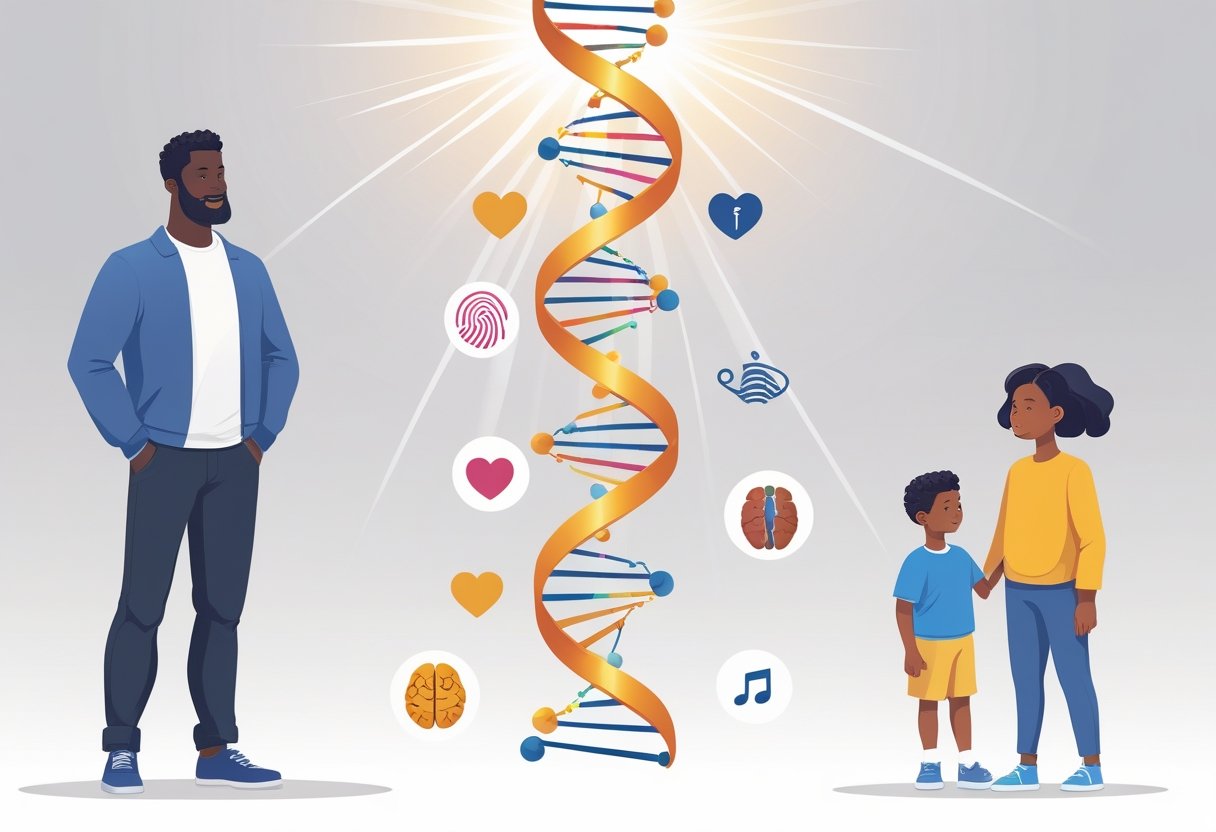
How Paternal Genes Drive Unique Inheritance
Paternal genes influence many important traits and health risks in children. This includes passing on mutations, determining gender, and affecting traits linked to the Y chromosome. These factors create unique patterns of inheritance that come only from the father’s side.
Understanding Paternal Genetic Influence
Fathers contribute more than half of the child’s DNA, but certain genetic traits and mutations are especially linked to paternal genes. Men produce new sperm continuously, which can accumulate mutations over time. These mutations can increase the likelihood of conditions like autism, schizophrenia, and other developmental disorders.
The age of the father plays a key role. Older fathers are more likely to pass on mutations due to changes in sperm DNA. These genetic variations not only affect the child but can be passed on through generations, influencing family health history.
Some traits, such as dental health and heart disease risk, also show stronger paternal links. Understanding these connections helps explain the unique impact of paternal genes on offspring.
Role of Y Chromosome in Inheritance
The Y chromosome is passed only from father to son. It determines the child’s biological sex and carries genes related to male traits and health risks. For example, certain Y chromosome variants increase the chance of heart disease in sons.
In addition to gender, the Y chromosome influences traits like hair growth patterns and fertility. It also carries specific genetic mutations that can affect mental health, particularly when passed down from older fathers.
Because daughters do not inherit the Y chromosome, many Y-linked traits and conditions are exclusive to sons. This makes the Y chromosome a critical factor in understanding how some inherited characteristics come only from fathers.
Sex Determination: Exclusive Role of Fathers

A child’s biological sex depends entirely on the chromosomes contributed by the father. While mothers always provide an X chromosome, fathers can pass on either an X or a Y chromosome. This fact determines whether the child is female or male. Understanding how this works requires looking closely at the types of sex chromosomes and how they influence development.
X and Y Chromosomes: The Science Behind Gender
Humans have two sex chromosomes: X and Y. Women have two X chromosomes (XX), so they can only pass on an X chromosome to their child. Men have one X and one Y chromosome (XY) and can pass on either.
If the father passes on an X chromosome, the child will be female (XX). If he passes on a Y chromosome, the child will be male (XY). The presence of the Y chromosome triggers male development, including the formation of testes and male physical traits.
The Y chromosome carries fewer genes compared to the X but contains important instructions for male fertility and identity.
Why Only Fathers Decide a Child’s Sex
Since mothers can only provide an X chromosome, the father’s sperm actually determines the child’s sex. The sperm carries either an X or a Y chromosome, so it is the father’s genetic contribution that decides if the child is a boy or a girl.
The chance of having a boy or girl is not always exactly 50/50. Some men produce more Y-bearing sperm, increasing the likelihood of fathering boys, while others produce more X-bearing sperm, which can result in more girls.
This direct link means that the father’s genetic makeup plays the exclusive role in sex determination during reproduction.
Traits Passed Solely Through the Y Chromosome
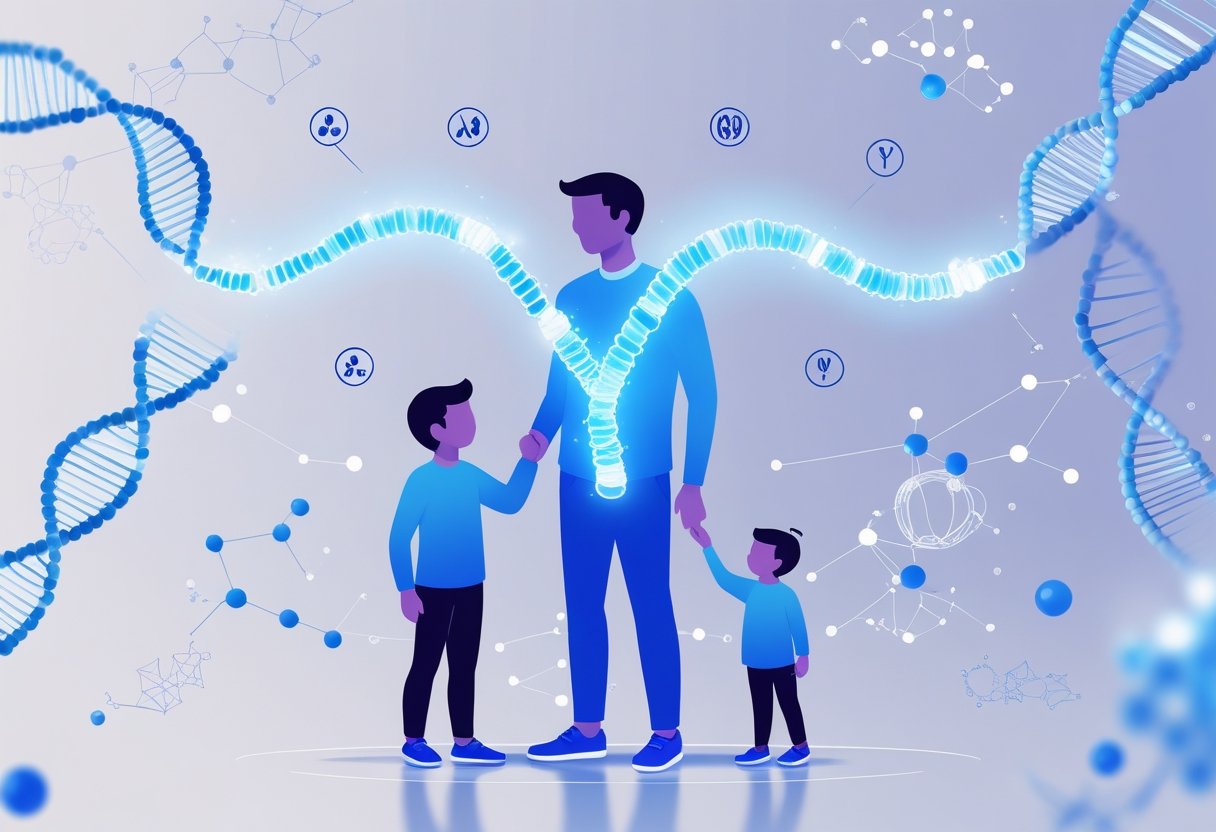
Certain traits are inherited only through the Y chromosome, which fathers pass down to their sons. These traits influence physical features tied directly to male development. They cannot be inherited by daughters since they do not carry a Y chromosome.
Male Pattern Baldness
Male pattern baldness is linked to genes on the Y chromosome and other chromosomes, but the Y chromosome plays a key role in its inheritance from father to son. This type of hair loss often follows a predictable pattern affecting the scalp and is far more common in men than women.
The genes on the Y chromosome affect the sensitivity of hair follicles to hormones like testosterone. This sensitivity can cause follicles to shrink and eventually lead to hair thinning or baldness. Sons who inherit a specific Y chromosome variant from their fathers have a higher chance of developing this condition.
Understanding this genetic link helps explain why male pattern baldness can run along the paternal line, often skipping daughters and showing a clear pattern across generations.
Development of the Adam’s Apple
The Adam’s apple develops as part of male puberty, triggered by paternal genes carried on the Y chromosome. This raised area of cartilage in the throat forms because of the influence of male hormones that shape the larynx during adolescence.
Only males have a pronounced Adam’s apple because the Y chromosome activates the growth of the larynx in ways that females, who lack this chromosome, do not experience. This trait is a clear example of how Y-linked genetics influence physical differences between sexes.
The size and shape of the Adam’s apple vary among males, but its presence is always tied directly to the paternal inheritance of the Y chromosome and the genes it carries.
Inherited Health Conditions from Fathers
Many health risks and conditions can be passed down from fathers to their children through specific genes. Some of these are linked directly to the Y chromosome, which only fathers can pass to sons. Others come from genetic mutations that tend to occur more often in paternal DNA.
Heart Disease Risks in Sons
Certain variations on the Y chromosome increase the risk of heart disease in sons. For example, men who carry the haplogroup I Y chromosome have about a 50% higher chance of developing heart problems. This genetic factor affects how the immune system handles inflammation, which is a major cause of heart disease.
Because daughters do not inherit the Y chromosome, this risk is mainly present in sons. Knowing this family history helps men understand their risk and take steps like maintaining a healthy diet, exercising, and regular checkups to reduce heart disease chances.
Fertility Issues and Infertility
Fertility challenges can also be inherited from the father. Sons of fathers who had fertility problems, especially those who conceived through IVF, may face similar issues. This happens because the genetic factors causing infertility can pass down through paternal genes.
While this may seem concerning, modern fertility treatments often provide options for men facing inherited fertility problems. Early awareness allows sons to monitor their reproductive health better and seek support if needed, improving their chances of conception.
Certain Genetic Disorders
Genetic mutations passed down from fathers occur more often because men continuously produce sperm throughout their lives. This increases the chance that mutations will happen and be inherited. Some of these mutations are linked to disorders like autism, schizophrenia, and ADHD.
Older fathers, in particular, may have a higher chance of passing on such conditions due to the accumulation of mutations in their sperm. These genetic changes can have lasting effects across generations, making it important to consider paternal age and family history when assessing health risks.
Physical and Behavioral Traits Tied to Father’s Genetics
A child’s physical development and some behaviors can be strongly influenced by genes inherited from their father. These traits include aspects of growth, dental health, and tendencies in behavior, all linked to specific paternal genetic contributions.
Height and Growth Patterns
Height often depends on genes inherited from both parents, but studies show certain growth-related genes passed from the father can have a stronger effect. Some versions of these genes influence bone growth and metabolism, guiding how tall a child may grow.
Fathers may also pass on patterns of growth rate during childhood and adolescence. For example, if a father experienced an early or late growth spurt, it’s more likely the child will show similar timing. This suggests paternal DNA affects not only adult height but also when key growth phases occur.
Dental Structure and Health
Genes linked to dental health tend to be passed down from fathers more often than from mothers. This includes traits like tooth alignment, jaw shape, and susceptibility to cavities or gum disease. If a father had crooked teeth, there’s a higher chance the child will face the same dental issues.
Paternal influence also extends to enamel strength and dental decay risk. This means a family history of dental problems on the father’s side can signal a need for early dental care and prevention in children. The father’s genetics play a clear role in dental development and long-term oral health.
Transmission of Risk-Taking Behaviors
Certain personality traits, such as risk-taking and aggression, are linked to paternal genetics and can affect a child’s behavior. Research finds that some genes related to impulsivity and emotional response are more strongly expressed when inherited from the father.
These behavioral traits may influence decision-making and how children cope with challenges. Understanding the role of paternal genetics helps explain why some children have a natural tendency towards risk, which can impact their social and emotional development. Fathers pass on more than just physical traits; their genetic contribution shapes parts of a child’s personality too.